Priorities mapped before work begins
We review the condition of each area, identify the details that need a reset, and agree on the rooms, surfaces, and access windows before scheduling.
Serving Colorado Springs, Colorado & surrounding areas
Mon–Fri 8am–6pm · Sat 9am–2pm
Deep cleaning service · Colorado Springs
Bring your facility back to a defined baseline with a deep cleaning scope built for inspections, turnovers, neglected details, and the work that follows.
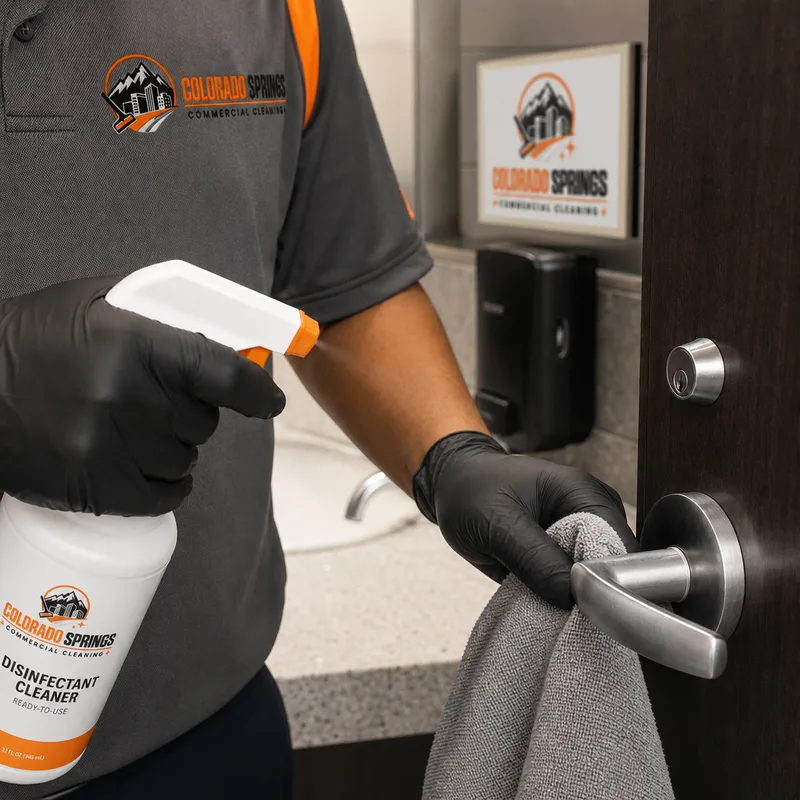
A deliberate reset for restrooms, touchpoints, glass, edges, and the details routine service can miss.
A reset with a purpose
A deep cleaning is a focused reset, not a vague add-on. Colorado Springs Commercial Cleaning starts with the areas that have fallen behind: restroom fixtures and partitions, ledges and corners, door frames, interior glass, breakroom surfaces, floor edges, and other details that are easy to miss during a normal visit.
The goal is to leave the building with a usable baseline. We sequence the work by area and access requirements, so a tenant transition, inspection preparation, or overdue cleanup does not become a disruptive all-at-once project.
After the reset, we can identify the routine tasks that will protect the result. That handoff keeps a new janitorial schedule focused on the places that need steady attention instead of repeatedly chasing old buildup.
What a reset covers
We review the condition of each area, identify the details that need a reset, and agree on the rooms, surfaces, and access windows before scheduling.
Corners, ledges, fixtures, door frames, restroom partitions, and floor edges receive focused attention where routine work has not reached the desired standard.
We organize the reset around access, tenant activity, inspection timing, and the order that makes sense for your rooms and shared spaces.
A final review focuses on the agreed scope and the visible details that matter when managers, tenants, visitors, or inspectors walk through.
The closeout can identify routine tasks, frequencies, and areas that need ongoing attention, giving the next cleaning cycle a clear place to start.
We coordinate the schedule around access instructions, restricted areas, tenant activity, and the operational needs you identify during the walk-through.
From overlooked details to a usable baseline
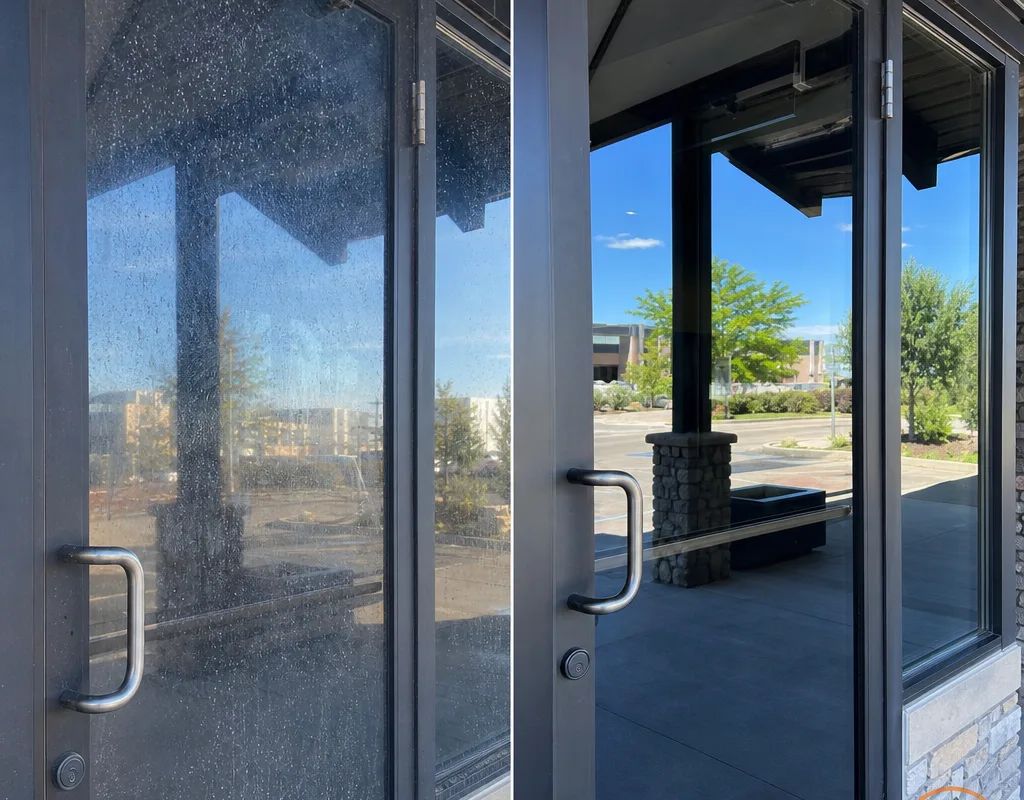
When a space is changing hands or preparing for an inspection, the details tend to become visible all at once. A deep cleaning gives attention to the restrooms, common areas, touchpoints, interior glass, and edges that affect how finished the facility feels.
The work is organized by sequence, not guesswork. We can begin in lower-traffic areas, coordinate secured rooms, and separate tasks that require clear access from those that can happen around normal operations.
That sequencing matters after a vacancy, before a walkthrough, or when a routine program is about to begin. The reset establishes the condition; the maintenance plan is built to preserve it.
What makes a deep cleaning different
Routine cleaning protects a standard. Deep cleaning is the work that re-establishes one when a facility has accumulated visible detail issues or is about to enter a new phase.
Inspection preparation often calls for close attention to restrooms, entry areas, interior glass, door hardware, and the smaller surfaces a walkthrough will reveal.
Tenant transitions need a clean handoff between the prior use of a space and the next occupant. The scope can focus on rooms, fixtures, and surfaces that have seen daily use but have not received a full detail reset.
Neglected detail zones are often the difference between a space that appears generally clean and one that feels ready. These can include baseboard edges, ledges, partitions, fixtures, door frames, interior glass, and the areas behind or around accessible furnishings.
Sequencing protects the finished result. We plan the order of rooms and tasks around your access, tenant activity, and the work that needs to happen before a final review.
Maintenance handoff connects the reset to what comes next. A concise checklist can identify routine tasks and frequencies so the facility does not slide back to the same condition.
A defined reset process
We review the rooms, current condition, access rules, and the details that need attention. You identify the deadline, the transition or inspection context, and the areas that cannot be overlooked.
We organize the agreed work by area and timing. The sequence accounts for occupied rooms, restricted areas, and the tasks that need to be completed before a final pass.
The team works through the defined detail scope, including the overlooked surfaces and visible buildup that routine cleaning is not designed to resolve in a standard visit.
After the reset, we identify the routine attention that will help keep the facility at its new baseline, so recurring visits begin with clear priorities rather than inherited buildup.
Planning the reset
Deep cleaning is quoted from the work required, not a one-size-fits-all checklist. The condition of the space, the rooms included, access timing, and the amount of detail work all affect the estimate.
A walk-through helps separate a one-time reset from the maintenance that follows. We use it to confirm square footage, restrooms and shared spaces, floor condition, interior glass, access needs, and the specific details that need to be brought back to baseline.
Answers about deep cleaning
A commercial deep cleaning is a one-time reset built around the areas that routine work has not fully caught up with. The scope can include detailed restroom cleaning, ledges and corners, door frames, fixtures, interior glass, breakroom surfaces, and floor edges, based on the walk-through and the building’s condition.
A reset is often useful before an inspection, tenant turnover, leadership visit, reopening, or change in cleaning provider. It can also help when visible buildup, neglected edges, or uneven results make routine service feel like it is always catching up.
Scheduling depends on the building, access arrangements, and the work requested. During the walk-through, we can discuss daytime, early-morning, or after-hours windows that reduce disruption to staff, tenants, and visitors.
Deep cleaning establishes a practical baseline. Recurring service is what maintains that baseline through regular attention to restrooms, common areas, trash, touchpoints, and floors. A handoff checklist helps clarify the upkeep priorities after the reset.
Share access expectations, restricted areas, timing constraints, and the issues you want addressed. Removing personal items or loose materials from surfaces that need detail work can help the team focus the scheduled time on the agreed cleaning scope.
Pricing depends on square footage, the condition of the space, the rooms and surfaces included, access hours, and the level of detail needed. A walk-through helps define the reset and separate it from any ongoing maintenance plan.
Plan your service
Tell us what is driving the reset: an inspection, tenant transition, overdue detail work, or a new maintenance plan. Colorado Springs Commercial Cleaning will walk the space, define the work by area, and help you set the next cleaning cycle up for success.
Request a quote
Send a few details and we will follow up to arrange a walkthrough.