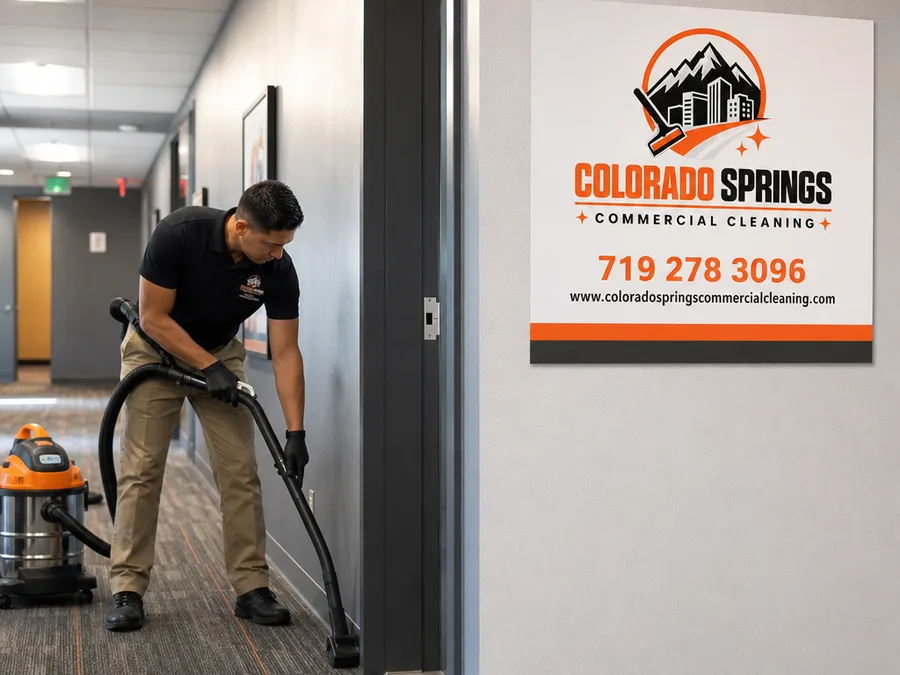
Surface-specific methods
Hard floors, carpeted entries, and transition areas do not collect soil in the same way. The scope can set a practical approach for each surface instead of treating every area alike.
Serving Colorado Springs, Colorado & surrounding areas
Mon–Fri 8am–6pm · Sat 9am–2pm
Floor care services · Colorado Springs
Protect the surfaces people notice first with a floor care plan built around floor type, traffic lanes, entry mats, and the conditions at your facility.
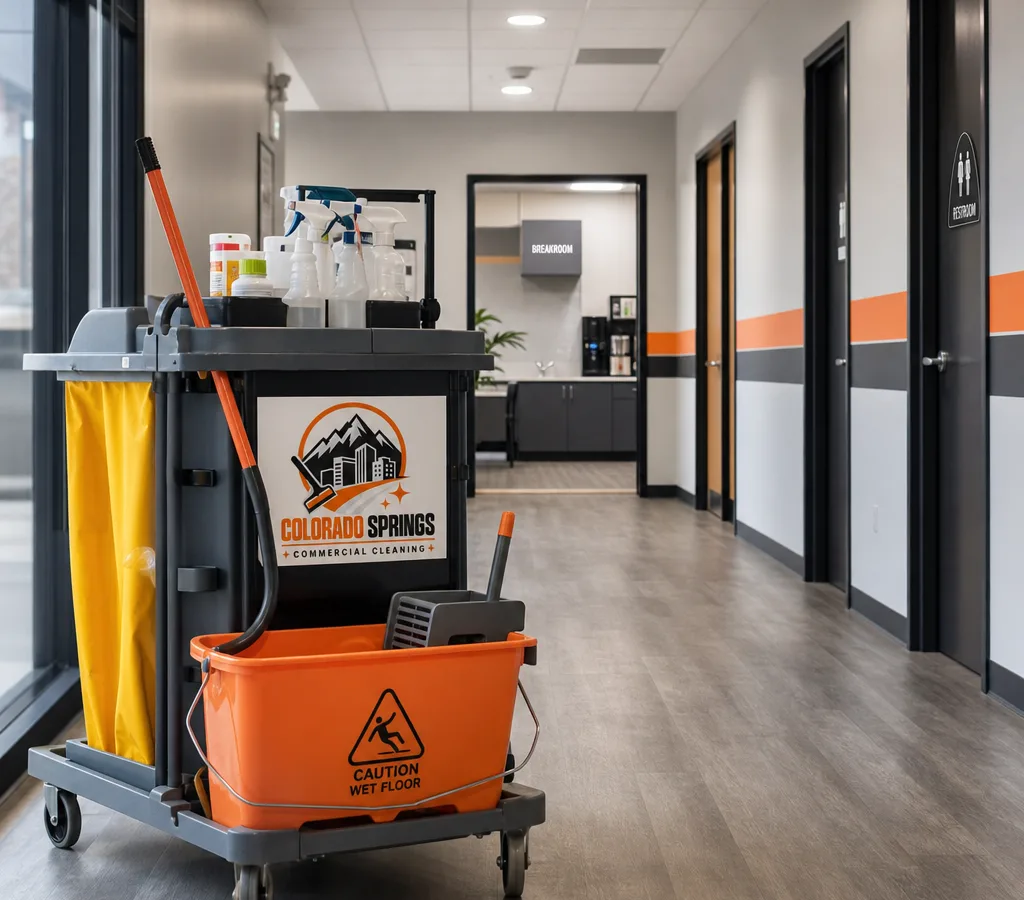
Floor care that begins at the door, follows the traffic lanes, and supports a well-maintained facility.
Floor care planning
Floor surfaces take the daily impact of foot traffic, tracked-in grit, moisture, and moving equipment. A useful floor care plan looks beyond a general cleaning checklist and gives each surface the attention its use and condition call for.
Colorado Springs facilities often see the heaviest soil at entries, reception paths, corridors, and transition points between floor types. Entry mats and nearby hard floors need a plan that catches debris early instead of allowing it to spread through the building.
Floor care can be scheduled as a focused program or coordinated with routine cleaning. The scope should explain what receives regular attention, when machine work makes sense, and how the plan changes during high-traffic or winter-weather periods.
Service standards
Hard floors, carpeted entries, and transition areas do not collect soil in the same way. The scope can set a practical approach for each surface instead of treating every area alike.
Entry mats and the surrounding floor catch the material that arrives from outside. Regular attention there helps contain grit and moisture before they travel farther inside.
Hallways, reception paths, and primary walkways tend to show wear sooner than low-use areas. A floor plan calls out those lanes and gives them a defined frequency.
Machine scrubbing and other focused work are planned around surface condition, access, and traffic, rather than added as a generic extra.
Wind, grit, moisture, and winter de-icer residue can change what entrances and walkways need. The plan can increase attention where the season shows up first.
A clear record of floor types, trouble spots, and service intervals helps the program stay useful as building use and traffic patterns change.
Focused floor maintenance
Floor care is most effective when it follows the way people actually use the building. The entry, reception path, corridors, break areas, and routes between work zones may need different frequencies even when they share the same material.
We start with the visible areas that carry the most traffic and the places where soil enters the facility. That includes entry mats, the floor directly around them, and the routes that connect customers, staff, and work areas.
The goal is a practical maintenance rhythm: routine attention for daily soil, periodic detail work where buildup collects, and machine work when the surface and schedule call for it.
Where floor care focuses
Floor care works best as a set of clearly defined zones, not a one-size-fits-all promise.
Surface type. Resilient flooring, textured hard surfaces, carpeted entries, and threshold areas respond differently to traffic and soil. The scope should identify the method that fits each area.
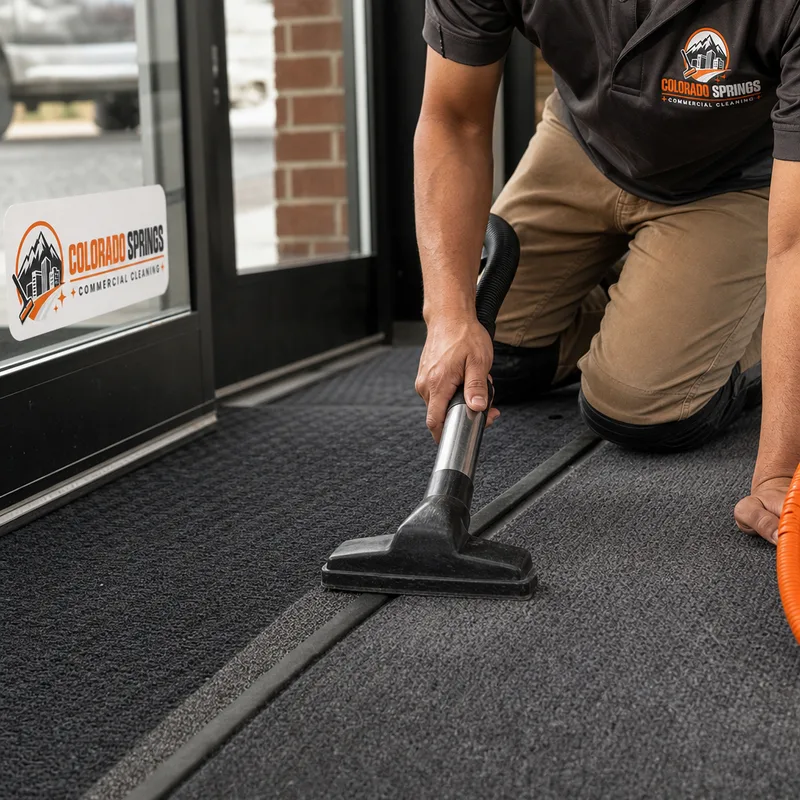
Entry mats. Mats are the first line of defense against grit, moisture, and seasonal residue. Detail work around their edges and nearby walkways helps prevent that material from migrating.
Traffic lanes. Main walk paths often need attention before the rest of the floor. A plan can identify those lanes by use, not just by room name.
Machine work. Scrubbing and other equipment-based work should be tied to the surface, the condition being addressed, access, and the service window available.
Preservation planning. Recording floor types, recurring soil patterns, and service intervals gives property teams a clearer basis for adjusting the program over time.
A preservation plan
We review floor types, entry conditions, common routes, visible buildup, and the times each area is most active. This helps identify where attention is needed first.
The written plan can separate entry mats, hard-floor areas, corridors, and lower-traffic spaces so the frequency and method match the way each zone is used.
Routine care and machine work are scheduled around access and traffic. The plan can account for times when an entry, corridor, or shared area needs to stay open.
As weather, traffic, layout, or building use changes, the floor care plan can be revisited so the work stays focused on the areas that need it.
Budget factors
Floor care pricing depends on the floor types in the facility, the condition of the surfaces, the size and number of high-traffic areas, entry-mat needs, access, and the frequency of service. Machine work and detailed attention to transition zones can also affect the scope.
A walkthrough helps define the work before pricing is confirmed. It gives both sides a clear view of the surfaces, traffic patterns, and service windows involved, rather than relying on a generic estimate.
Clear answers before scheduling
A floor care plan starts with the surfaces in your facility, including hard floors, carpeted entries, and transition areas. During a walkthrough, the scope can identify which areas need routine attention, periodic machine work, or focused spot treatment.
Entry mats collect grit, moisture, and residue before it reaches the rest of the building. Regular vacuuming and detail work help keep that material from traveling into nearby hard-floor and carpeted areas.
Machine work can be planned for a lower-traffic service window when access and building activity allow. The right timing depends on the area, the equipment needed, and the way people move through the facility.
De-icer residue and tracked-in grit can concentrate near entrances and primary walkways. A floor care scope can give those zones extra attention during periods when they need it.
Traffic lanes are the paths people use most often, such as entries, hallways, reception approaches, and routes between work areas. They usually show soil and wear sooner, so they benefit from a specific maintenance plan.
Yes. Routine cleaning and floor-focused work can be planned together so entry mats, hard-floor areas, and visible walkways receive the right attention at the right intervals.
Start with the surfaces that carry the day
Tell us about the floor types, entry conditions, and traffic patterns in your building. Colorado Springs Commercial Cleaning can walk the space and outline a practical scope for routine attention, focused machine work, and floor preservation planning.
Request a quote
Send a few details and we will follow up to arrange a walkthrough.